2026年3月23日 星期一

week 5. 寧靜科技

0. Team building Kickoff, Intro to interested topics of cultural probes 

I  遍佈運算 (ubiquitous computing, Ubi-Comp)

Mark Weisser: the 21st computer 1991

("the most profound technologies are those that disappear")

聰明行動族 by Howard Rheingold


Microsoft: Productivity Future Vision


問題:  遍佈運算和行動運算的差異是甚麼?

II 寧靜科技 (calm technology)

Mark Weisser, Designing Calm Technology 1995  

Calm Technology

Peripheral Interaction

環境智能 (ambient intelligence)


Ambient Orb

Ambient Umbrella


https://infosthetics.com/archives/ambient/


2026年3月15日 星期日

week 4. 註釋作品集

1. 註釋作品集 (Annotated Portfolios): 現場練習

    (1) Photostroller

    (2) Prayer Companion

    (3) Drift Table

    (4) Plane Tracker

    (5) Local Barometer

Reference slides

問題: 

   如何註釋? 

   用甚麼知識層級來註釋? 

   註釋作品集的重要性是甚麼?

3. Annotated Portfolios


參考文獻:
註釋作品集出處: annotated portfolios (2012)
中介層級知識: Intermediate-level knowledge (2013)
註釋作品集的邏輯原理: The logic of annotated portfolios (2012)


範例(機器人作品集): 
Eliciting New Perspectives in RtD Studies through Annotated Portfolios: A Case Study of Robotic Artefacts (2021)


課堂練習:

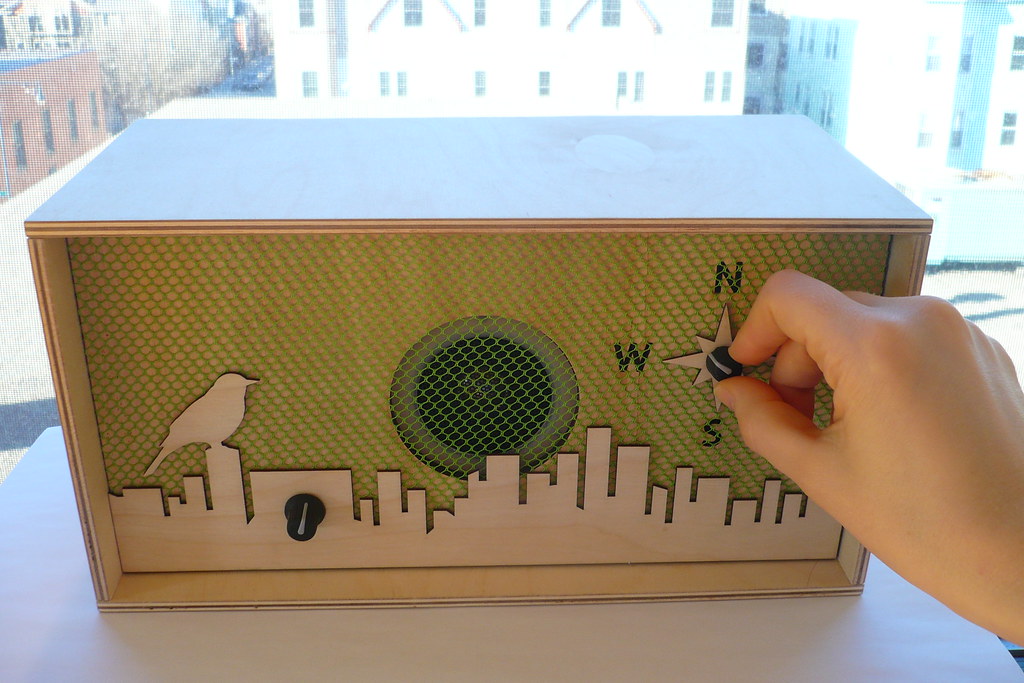
1. what are the annotations of these music players?


WildUrban Radio


Project 1:
Cultural Probes 提案 (3/27)
各組提出初步規劃,探針想研究的主題、範圍(包含,可能的習慣,人群,特殊節日、地方感、空間,日常,...)


 Spotify box from Jordi Parra on Vimeo.
spotify box


BERG Olinda Project


Discuss and sketch a new radio.
Ref: radio design in Pinterest


2026年3月4日 星期三

week 7. 動作設計與身體設計

0. 文化探針 deliver

動作設計

重要文獻:

1.Caroline Hummels, Kees C. Overbeeke, and Sietske Klooster. 2007. Move to get moved: a search for methods, tools and knowledge to design for expressive and rich movement-based interaction.Personal Ubiquitous Comput. 11, 8 (December 2007), 677-690.

2. Ross, P. R., & Wensveen, S. A. G. (2010). Designing aesthetics of behavior in interaction: Using aesthetic experience as a mechanism for design. International Journal of Design, 4(2), 3-13.

動作與造型 (Movement and Form)


   "設計研究者開始探討,如何使形式數位行為之間建立更為緊密的耦合關係,以及使用者能夠以更豐富多元的方式與數位產品互動。(Djajadiningrat et al 2004; Jensen, Buur, Djajadiningrat 2005). "

  "互動設計師亦逐漸對身體性互動產生興趣;此類互動可能表現為純粹的動作(如手勢、舞蹈),或與實體物件產生關聯。 (Hummels, Overbeeke, Klooster 2007)."


 Form-giving
 Meaning-making
 Movement-centered
 Bodily Rich Interaction


 互動設計中的動作:


參考文獻:
1.Caroline Hummels, Kees C. Overbeeke, and Sietske Klooster. 2007. Move to get moved: a search for methods, tools and knowledge to design for expressive and rich movement-based interaction.Personal Ubiquitous Comput. 11, 8 (December 2007), 677-690.
2. Baskinger & Gross, "Tangible = Form + Computing", Interactions, 2010.
3. Heekyoung Jung and Erik Stolterman. 2010. Material probe: exploring materiality of digital artifacts. In Proceedings of the fifth international conference on Tangible, embedded, and embodied interaction (TEI '11). ACM, New York, NY, USA, 153-156. 


以動作為基礎的互動設計方法牌卡:

Movement-based methods 練習範例,以動作發想一項音樂播放器為例:

  1. Soma-Slowstorming(身體感知慢速激盪)
    (1)選擇一個物件,直覺地對其施加某種動作。
    (2)以極慢的速度重複該動作,並細緻覺察自身的內在感受。
    (3)嘗試不同的動作質地,例如:緩慢與快速、輕柔與強烈、自由與受限,以及單一焦點與多重焦點等。

1.  Soma-Slowstorming
  (1) pickup an object and intuitively apply a movement on it
  (2) Redo with very slow speed, notice your inner experience
  (3) Try other qualities of movement (slow vs. fast, light vs. strong, free vs. bound, one-focus vs. multi-foci)


  1. 使用道具進行身體激盪(Bodystorming with Props)
    (1)選擇一個或多個物件。
    (2)運用這些物件進行身體激盪,示範如音樂播放、暫停、切換下一首、調高音量等操作情境。

2. Bodystorming with Props
  (1) choose one or more objects
  (2) bodystroming with objects, demonstrating music paly, stop, next song, volume up...


  1. Brain Walk(行走式腦力激盪)
    (1)延續上述練習,一邊行走,一邊記錄浮現的想法。
    (2)蒐集自己的點子,同時也整理他人的想法。


3. Brain Walk
 (1) Based on the above practice, walk and write down ideas
  (2) collect your ideas as well as others' ideas


  1. 動作設計的模型製作(Mockups for Movement Design)

  2. 建構與描述(Build & Describe)
    (1)以單頁廣告的形式呈現。
    (2)重點突顯音樂播放器中所設計的動作互動特色。


4. Mockups for Movement Design 


5. Build & Describe
    (1) use one page advertisement
     (2) highlight your movement design feature of music player 


身體設計 (soma design)
重要文獻:

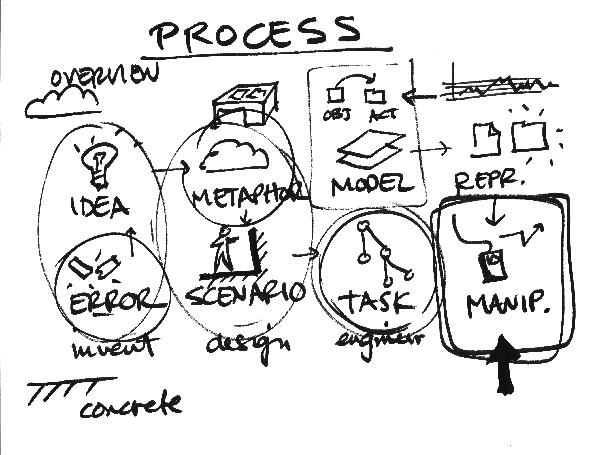
week 3. Verplank互動設計框架


Bill Verplank 解說 Interaction Design 影片

Open hci2011 (see p.18-29)
1. 基礎設計教育如何進行?
相對詞
相對詞
拼貼
設計是什麼
2. 甚麼"互動設計教育"的基礎訓練?

互動設計的基本對照詞是甚麼?
可以用甚麼方法來整合應用? 例如, 關聯法 (synectics)

不同的Verplank 架構詮釋:


3. 素材 (Material)

素材直接觸及三個主要議題:

  1. 設計師可能會直接受到某種特定素材的吸引與啟發,而產生創作動機。

  2. 素材(材料)具有表現性,其特質可從脆弱細緻到質樸粗獷不等。

  3. 某些素材(材料)之所以被選用,是因其內在的物理特性,能與最終作品的功能直接相互對應。

  [互動設計術語 素材 Material] = Error + Idea   [invent, motivations]
 
4. 表達、表現性 (Expression)
"基本而言,它指的是內在狀態、情感或情緒向外、可見地顯現出來的任何形式:例如聳肩、皺眉、扭曲表情或微笑——這些都是內在情緒狀態的身體指標。在設計領域中,「表達」則指將一種視覺概念明確而直接地傳達出來的行為。" ~Stoops & Samuelson.


"設計過程包含三個階段,而每一階段皆有助於形成個人的表現性:
  1. 辨識並界定需要解決的視覺問題,並決定應採取何種行動

  2. 隨著具體物理解決方案的形式與結構逐漸發展,將個人化、富於想像力的理念綜合呈現在紙上。這一中間階段——亦即富有想像與創造力的階段——是整個設計過程中最具特徵性的部分,體現了設計師的表現。

  3. 最後,設計被轉化為實際成果,由設計師本人或在其監督下,進行製作、印製、建構、編織或其他形式的實體化實現。"  ~Stoops & Samuelson.


"當設計師在創作發展的歷程中,達到一種境界——對於配置、比例與留白的考量已能在無意識中自然發生——其作品便可稱之為具有表現性。" Stoops & Samuelson.

問題:  互動設計師如何進行表達(表現性)?

如何用 expression 開展設計


 [互動設計術語 表達 Expression] = Metaphor + Scenario   [design, meanings]


5. 功能 (Function)
"「形式追隨功能」(Form follows function)大概是關於設計最常被重複引用的一句話。其明確意涵在於:一件物件的形式,應由它所承擔的功能來加以界定。"
[互動設計術語 功能 Function] = Model + Task   [engineering, modes]

6. 造型 (型式) (Form)
Tangible Interaction=Form+Computing


"Forms in various materials invite touch and manipulation"
Retrieved from interactions


siteless book sample page


Retrieved from "Move to get moved"

[互動設計術語 造型 Form] = Display + Control   [~, mappings]


小結:

[互動設計術語 素材 Material] = Error + Idea   [invent, motivations]
[互動設計術語 表達 Expression] = Metaphor + Scenario   [design, meanings]
[互動設計術語 功能 Function] = Model + Task   [engineering, modes]
[互動設計術語 造型 Form] = Display + Control   [~, mappings]


參考文獻:
1.Caroline Hummels, Kees C. Overbeeke, and Sietske Klooster. 2007. Move to get moved: a search for methods, tools and knowledge to design for expressive and rich movement-based interaction.Personal Ubiquitous Comput. 11, 8 (December 2007), 677-690.
2. Baskinger & Gross, "Tangible = Form + Computing", Interactions, 2010.
3. Heekyoung Jung and Erik Stolterman. 2010. Material probe: exploring materiality of digital artifacts. In Proceedings of the fifth international conference on Tangible, embedded, and embodied interaction (TEI '11). ACM, New York, NY, USA, 153-156. 
4. 譬喻 Metaphor:
https://embodiedinteractionbasics.blogspot.com/2025/03/week-6-metaphor.html

練習 :
1. 使用 Verplank 的互動設計素描簿(發明、設計、工程、展示), 以及延伸的設計詞彙(素材、表達、功能、造型)來描述一個互動設計個案。 (hint: 使用 Open hci2011 (see p. 21) 九宮格架構,描述參考文獻4中的任何一個互動設計作品)

2. 比較 Verplank  的流程與雙鑽石模型探索(Discover)、定義(Define)、發展(Develop)和執行(Deliver)的異同 


week 11. 設計虛構

 Design Fiction (設計虛構、設幻設計、設幻小說) 2005 Bruce Sterling ,  Design Fiction 名稱的主要推廣者。      貢獻 將科幻與設計研究連結 提出 diegetic prototype 強調未來物件的文化與政...